
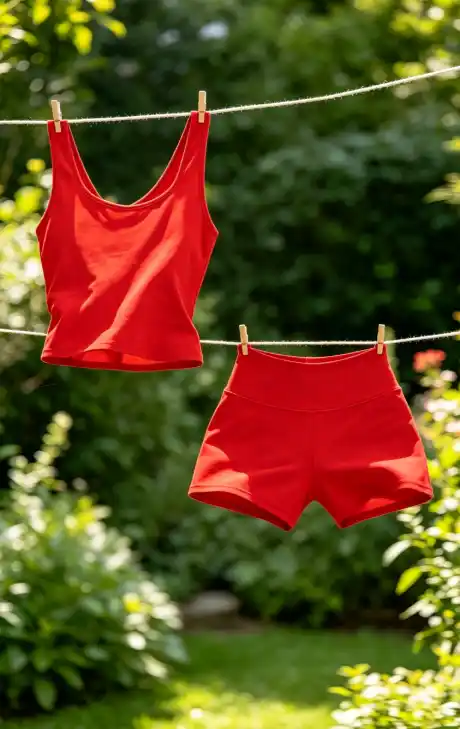
You’ve done the research, compared the styles, and finally invested in high-quality activewear. Whether it’s our Women’s UPF 50+ Workout Top for your outdoor runs or the Dry-Tech Tank Tops for your HIIT sessions, these pieces are designed to support your toughest goals.
However, high-performance fabrics like Nylon, Spandex, and our proprietary Dry-Tech blends are fundamentally different from your everyday cotton T-shirts. They are technical textiles engineered with micro-pores for breathability and elastic fibers for 4-way stretch. If you treat them like a pair of old jeans in the laundry, you risk stripping away the very features you paid for—causing them to lose elasticity, start pilling, or even lose their moisture-wicking capabilities.
To ensure your alarooclothes gear stays as vibrant and functional as the day you unboxed it, follow this ultimate guide to activewear care.
1. The Golden Rule: Cold Water Only
It’s a common misconception that hot water is necessary to “sanitize” gym clothes after a sweaty workout. In reality, heat is the number one enemy of synthetic performance fibers.
The Science of Fiber Breakdown
Most premium activewear relies on elastane (Spandex) to provide that crucial 4-way stretch. High temperatures in the wash cycle can actually “cook” these fibers, causing them to become brittle and snap. This leads to that dreaded “baggy” look where your leggings or tops no longer snap back to their original shape.
The alaroo Tip: Always set your washing machine to a cold water cycle (30°C or lower). Cold water effectively removes sweat and dirt when paired with a good detergent, all while keeping the structural integrity of the fabric intact.
2. Say No to Fabric Softeners (The “Breathability” Killer)
This is perhaps the most important tip in this guide. While we all love the smell of “mountain spring” fabric softener, it is a death sentence for moisture-wicking gear.
How Softeners Ruin Dry-Tech Fabric
Our Dry-Tech technology works through tiny channels in the fabric that pull sweat away from your skin. Fabric softeners work by leaving a thin, waxy coating over the fibers to make them feel “soft.” This wax fills in the micro-pores and coats the moisture-wicking channels.
The Result: Instead of sweat evaporating, it gets trapped against your skin. Your high-tech shirt suddenly feels like a plastic bag, and it may even start to retain odors because the bacteria are trapped under that waxy layer.
The alaroo Tip: Skip the softener entirely. If you want to eliminate odors naturally, add half a cup of white vinegar to the rinse cycle. It kills bacteria and neutralizes smells without damaging the technical properties of the fabric.
3. Air Dry is the Only Way
If the washing machine’s hot water is a threat, the clothes dryer is the ultimate “assassin” for activewear.
The intense, tumbling heat of a dryer causes friction and thermal damage. This is the primary cause of pilling (those tiny little fuzz balls that form on the surface of the fabric) and the degradation of the Reflective Point Designs on our safety gear.
How to Dry Properly:
- Avoid the Hanger: Hanging wet workout tops by the straps can cause the weight of the water to stretch the garment out of shape.
- The Flat Lay: The gold standard of care is to lay your gear flat on a drying rack in a shaded area.
- Avoid Direct Sunlight: Intense UV rays from direct sunlight (ironically, for sun-protection gear!) can fade colors over time. Air dry indoors or in a shaded outdoor spot.
4. Master the “Sorting” Game
It is tempting to throw everything into one load to save time, but washing your delicate Open Back Yoga Tops with your heavy denim jeans is a recipe for disaster.
Beware of Abrasive Hardware
Activewear fabrics are soft and smooth to prevent chafing, but this makes them susceptible to “snags.” Zippers, Velcro, and heavy buttons from other garments can catch on the fine knit of your workout gear during the agitation cycle, causing permanent pulls and tears.
The alaroo Tip:
- Separate Your Loads: Wash your activewear together and keep your “street clothes” separate.
- Turn Gear Inside Out: This protects the outer finish of the fabric and ensures the sweat and oils (which are on the inside of the shirt) are directly exposed to the water and detergent.
- Use Laundry Bags: For extra-delicate pieces like our open-back tops, place them in a mesh laundry bag for an added layer of protection.
5. Don’t Let it Marinate (The Post-Gym Protocol)
We’ve all been guilty of leaving a damp gym bag in the car or a pile of sweaty clothes in the hamper for a few days. This is where the “perma-stink” comes from.
When sweat-soaked synthetic fabrics sit in a dark, warm pile, bacteria begin to feast on the body oils trapped in the fibers. The longer they sit, the harder it is to remove the odor-causing microbes.
The alaroo Tip: If you can’t do laundry immediately after your workout, at least hang your damp clothes up to air out. Allowing the moisture to evaporate prevents the bacteria from multiplying, making it much easier to get the clothes truly clean when laundry day finally arrives.
Conclusion: Better Care for Better Performance
Investing in alarooclothes is an investment in your fitness journey. Our Dry-Stretch and Quick-Dry technologies are built to last, but they require a little bit of “TLC” (Tender Loving Care) to perform at their peak.
By following these five simple steps—Cold Wash, No Softener, Air Dry, Separate Loads, and Immediate Airing—you aren’t just cleaning your clothes; you are preserving the technology that helps you run further, stretch deeper, and train harder.
Proper care means your favorite workout top will be ready for you, session after session, year after year.
Leave a Reply